

Back to all stories
SOARING SISTER STORIES
Why You Freeze, Shut Down, Panic or Accommodate During the Silent Treatment
Ama K. Karikari, Esq.
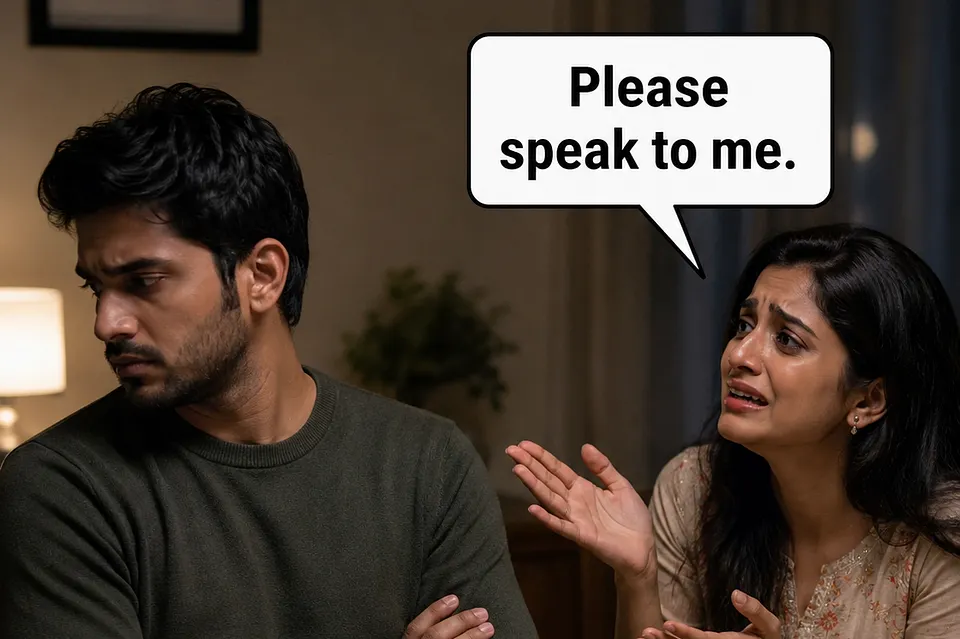
The silent treatment doesn't just hurt your feelings. It hijacks your entire nervous system. One moment, you're living your life, and the next, the energy shifts. Your partner withdraws. Their voice disappears. The warmth leaves the room. And you feel it instantly: panic, freeze, shutdown, or the urge to accommodate.
If this is you, let me say this plainly: you are not weak. You are not dramatic. You are not overreacting. You are human. And your nervous system is responding exactly as it was designed to.
You Freeze Because Silence Feels Like Threat
Dr. Bessel van der Kolk writes that emotional abandonment activates the same survival circuits as physical danger. Your brain reads sudden withdrawal as a threat. Freezing is not passivity, it is protection.You Panic Because Rejection Hurts Like Physical Pain
Dr. Steven Stosny explains that the silent treatment "activates the same pain pathways as physical injury." Your panic is your survival system sounding an alarm.You Shut Down to Conserve Energy
When emotional abandonment is chronic, the nervous system becomes overwhelmed. Shutdown is the body's attempt to cope, an automatic response to emotional overload.You Accommodate to Restore Safety
This is the fawn response. As Dr. Gabor Mate notes, "People sacrifice authenticity for attachment." You soothe, shrink, and apologize because your body is trying to restore connection.
Your panic is intelligence. Your freeze is survival. Your shutdown is resilience. Your accommodation is instinct. The problem is not your reaction, it's the emotional environment that caused it.
There is help! There is an opportunity for recovery. It is time to take back your power through the following steps. First, validate and affirm your own experience. You are not crazy. You are human. Second, plan your next move. If your partner or the person in your life continues to use this method of abuse over and over again despite the fact that you have expressed how damaging it is and if that person refuses to get genuine help to stop the behavior, then you may want to consider ending the relationship. Third, if you decide to end it then the next step is to grieve what you lost. Fourth, engage in the soul work necessary to figure out why you tolerated such maltreatment in the first place. Very often it stems from a childhood survival mechanism. Fifth, it is time to gather all of your resources to become the best version of yourself while envisioning the type of life that you want to lead and the types of relationships that you want. You are wholly responsible for your life. Make it a beautiful one.
These steps are outlined in my internationally acclaimed book, Silenced to Soaring: Heal from Chronic Silent Treatments, Toxic Relationships, and Abuse. Please also join our free sample support group call for women rebuilding their lives after toxic relationships at amakkarikari.com/soaring-sisters-circle.
If you are a target of domestic violence or dealing with mental health issues please avail yourself of the following resources.
National Domestic Violence Hotline: 1-800-799-7233
The National Dating Abuse Hotline: 1-866-331-9474
The National Alliance on Mental Illness (NAMI) Helpline: 1-800-950-6264
Suicide hotline: 1-800-273-8255
Soaring Sister Circles offer peer support, accountability, and a place to build what comes next.
Explore the circles